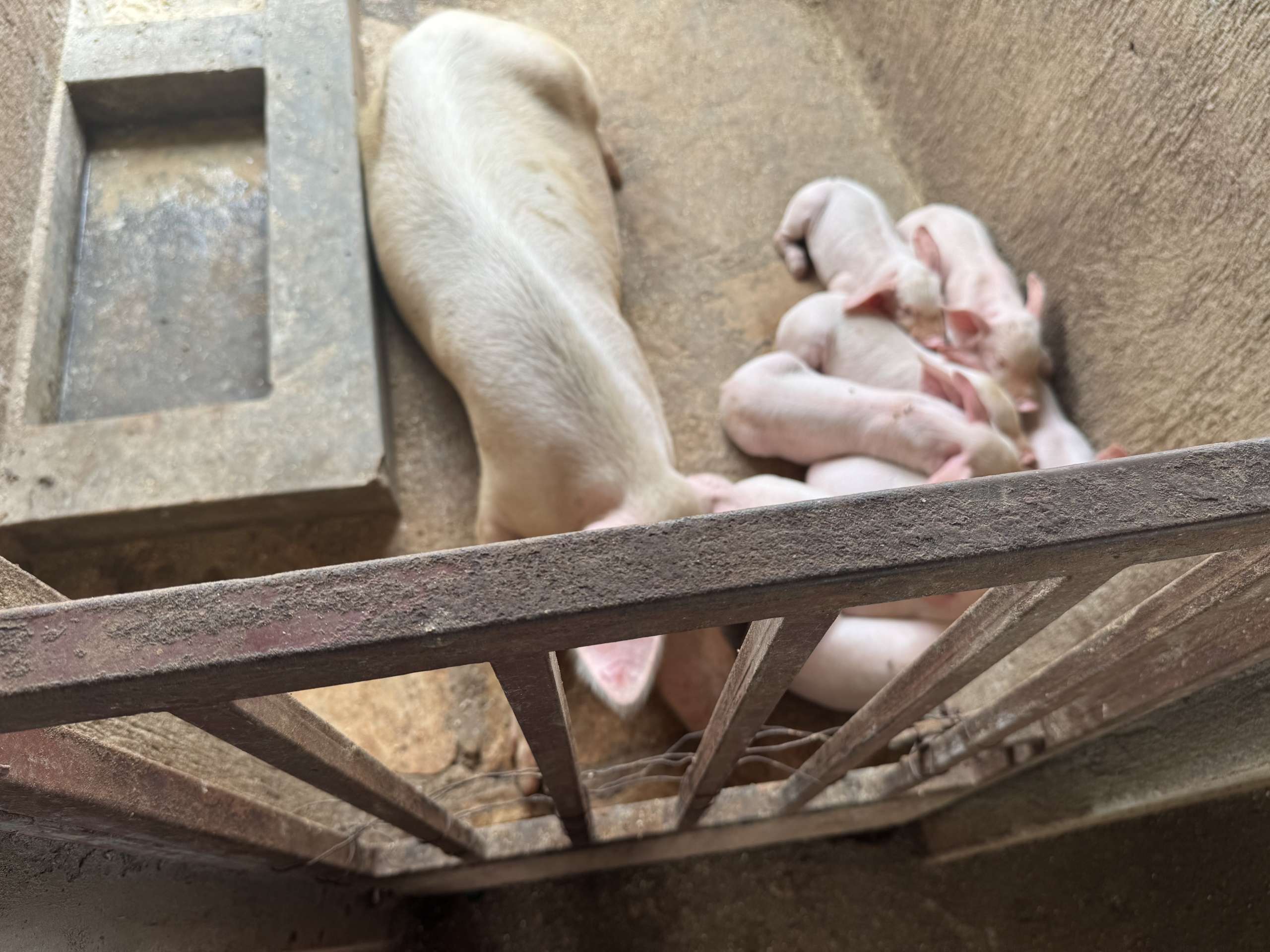
At Mazima Community Development Initiative (Mazima CDI), we believe that livestock farming, especially pig farming, can be a powerful tool for fighting poverty, improving nutrition, and building economic resilience in rural communities.
That’s why we are investing in high-quality, well-bred pigs for smallholder farmers across Buyala, Kabowa, and the greater Jinja region.
How Well-Bred Pigs Change Lives
- Faster Growth and Higher Yields.
Well-bred pigs grow faster, are healthier, and produce more meat. This means farmers can earn higher incomes in a shorter period, helping families pay school fees, afford better healthcare, and invest in their farms. - Improved Food Security and Nutrition.
Pig farming boosts local access to protein-rich food, improving family diets and strengthening children’s growth and development. - Job Creation Across the Value Chain
Pig farming is not just about raising animals. It creates jobs in feed production, veterinary services, processing, transportation, and market trading, strengthening the entire rural economy.
Training and Empowerment Through Mazima CDI’s training programs, farmers learn best practices in:
- Animal husbandry
- Disease prevention
- Waste management (turning waste into fertilizer for crops)
- Business and record-keeping skills
- Sustainable Farming and Environmental Benefits
When managed properly, pig farming can contribute to organic farming systems by recycling waste into organic manure, enriching soil health and boosting crop yields, helping protect the environment.
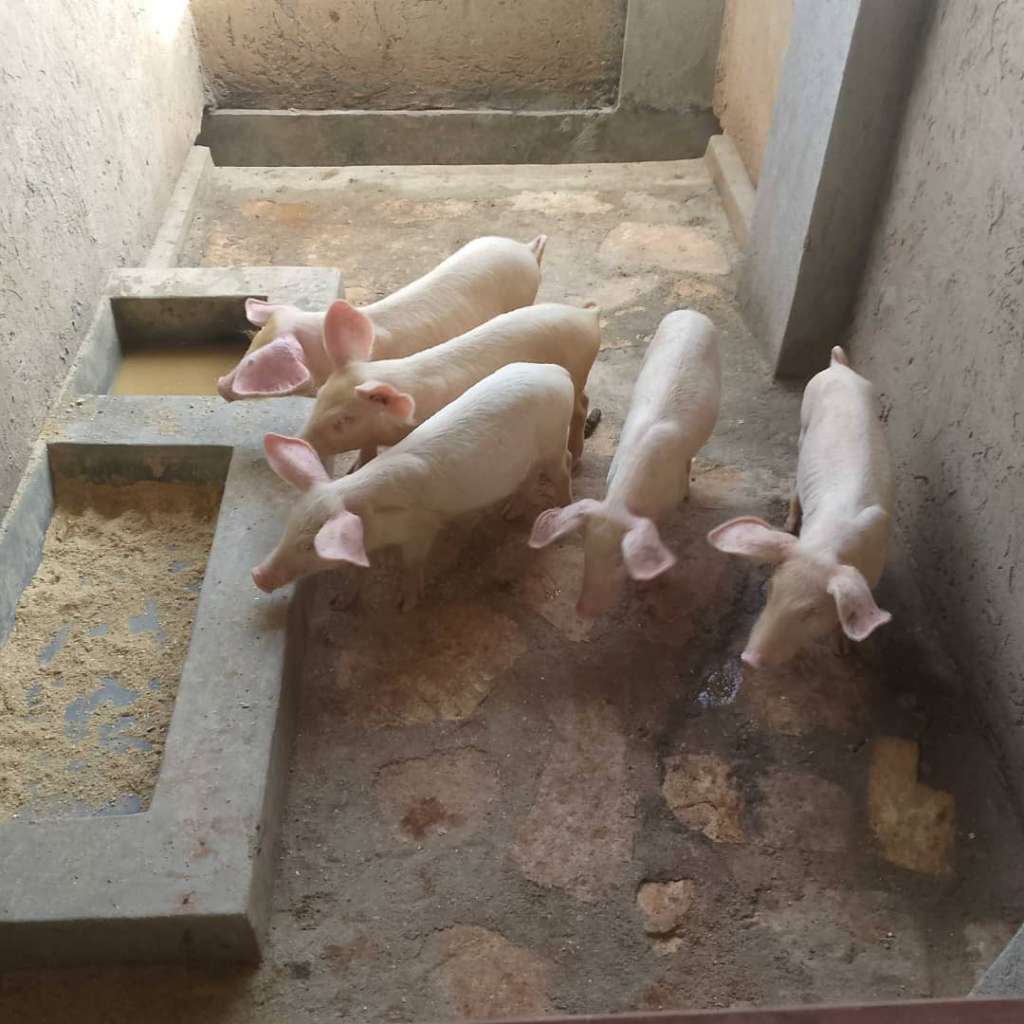
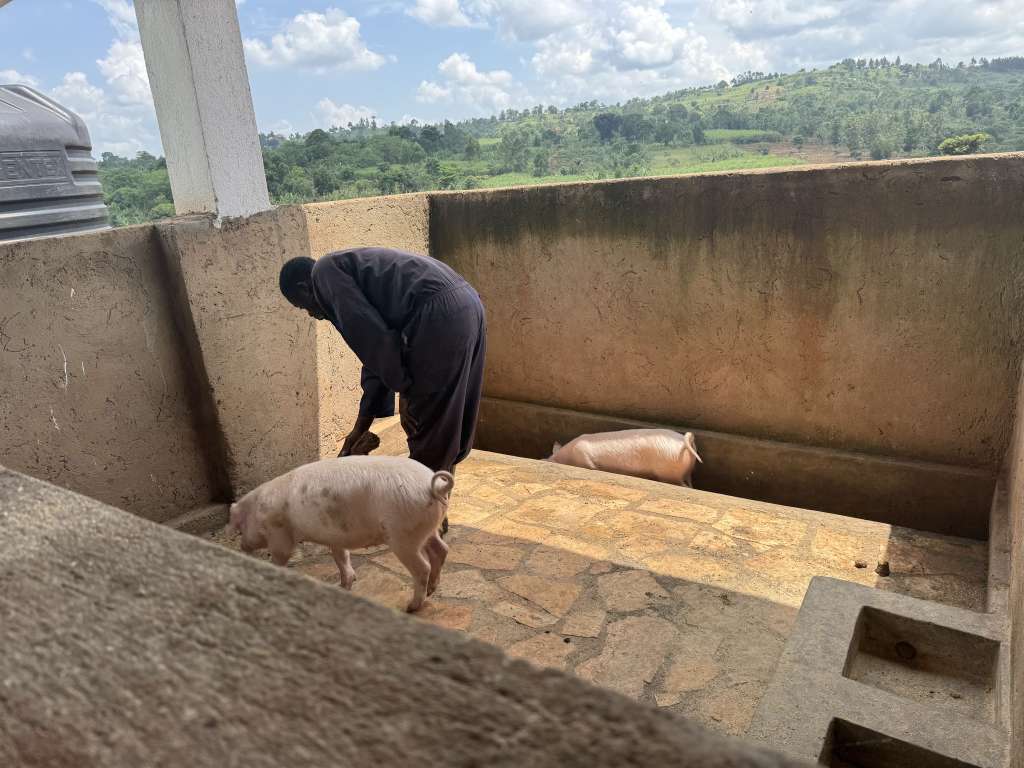
The Importance of Clean and Well-Managed Pig Sties
At Mazima Community Development Initiative (Mazima CDI), we teach farmers that a clean pig sty is the foundation of successful pig farming.
Good hygiene not only keeps pigs healthy but also boosts their growth, prevents diseases, and increases the overall profitability of the farm.
Here’s why cleanliness is key:
✅ Healthier Pigs
Dirty, wet sties breed bacteria, parasites, and viruses that can make pigs sick. Regular cleaning keeps pigs free from infections, leading to lower veterinary costs and faster growth.
✅ Better Meat Quality
Healthy pigs produce better-quality meat, which is essential if farmers want to access premium markets locally and internationally.
✅ Reduced Smell and Environmental Impact
Clean sties minimize bad odors, reduce flies, and lower environmental pollution. Proper waste management also means farmers can convert manure into valuable organic fertilizer for their crops.
✅ Happier Animals = Better Productivity
Clean, dry, well-ventilated environments reduce animal stress. A pig that lives comfortably eats more, grows faster, and reproduces more efficiently.
Mazima CDI’s Guidelines for Clean Pig Farming
At every training, Mazima farmers learn to:
- Sweep and wash the pigsty daily
- Remove manure and leftover food regularly
- Install proper drainage to prevent water stagnation
- Disinfect the pig house weekly to kill germs
- Ensure good ventilation for fresh air
- Use clean feeding and drinking equipment
- Separate sick animals to avoid the spread of diseases
Farmers are also encouraged to build pig sties with raised floors and sloped designs that allow easy cleaning and proper water runoff.